

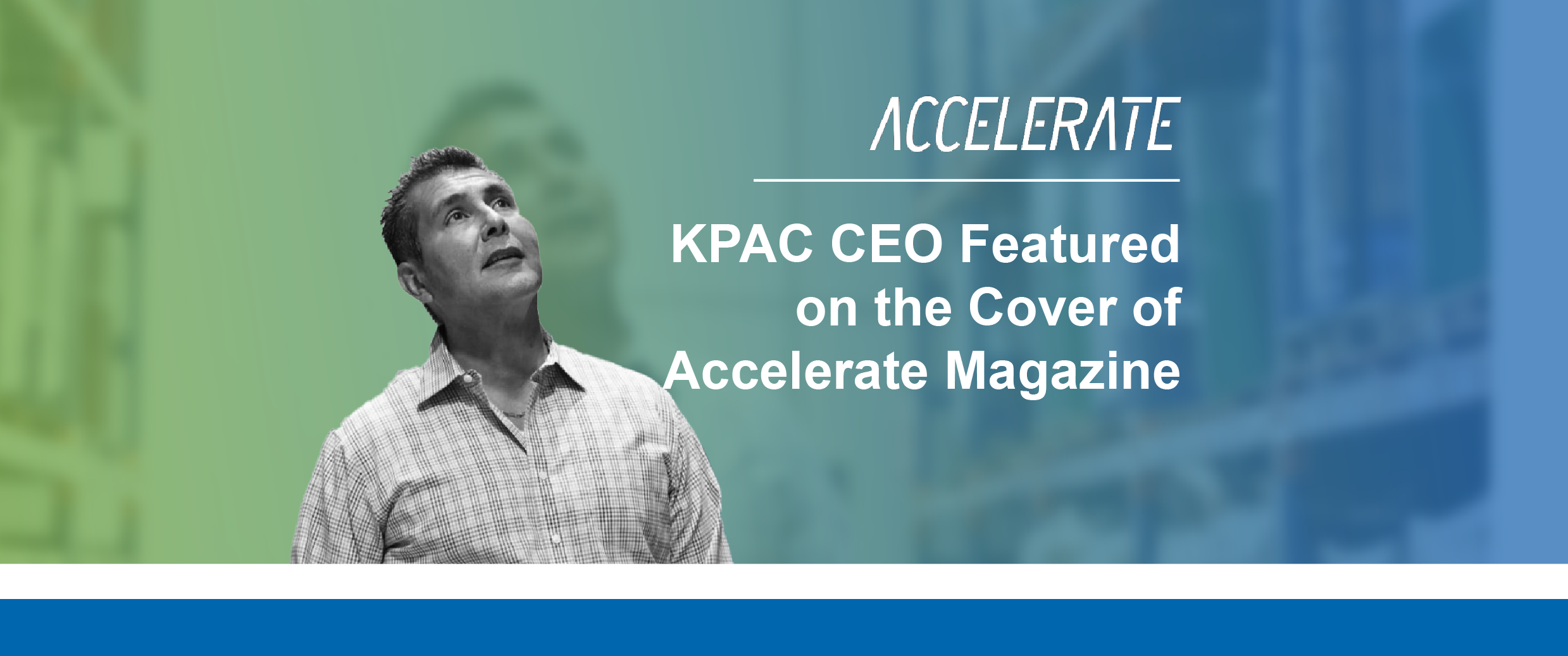
We’re proud to share that our CEO has been featured on the cover of Accelerate.
The March/April issue of Accelerate focuses on the future of cold storage, sustainability in temperature-controlled logistics, and innovations shaping the industry. Our CEO’s insights and leadership earned a prominent position in the magazine, highlighting KPAC’s commitment to operational excellence and strategic growth in port-adjacent cold storage.
This feature underscores KPAC’s role in driving efficient, sustainable cold chain solutions, both locally in Southern California and across broader supply chain ecosystems. It’s an honor to be recognized alongside other industry visionaries contributing to the evolution of refrigerated and frozen storage infrastructure.
Learn why selecting an experienced overweight container provider matters and how the wrong solution can lead to delays, cargo issues, and unexpected costs.
KPAC Cold Storage helps food and beverage importers manage overweight containers near the Ports of Los Angeles and Long Beach with cold storage, transloading, and distribution support.
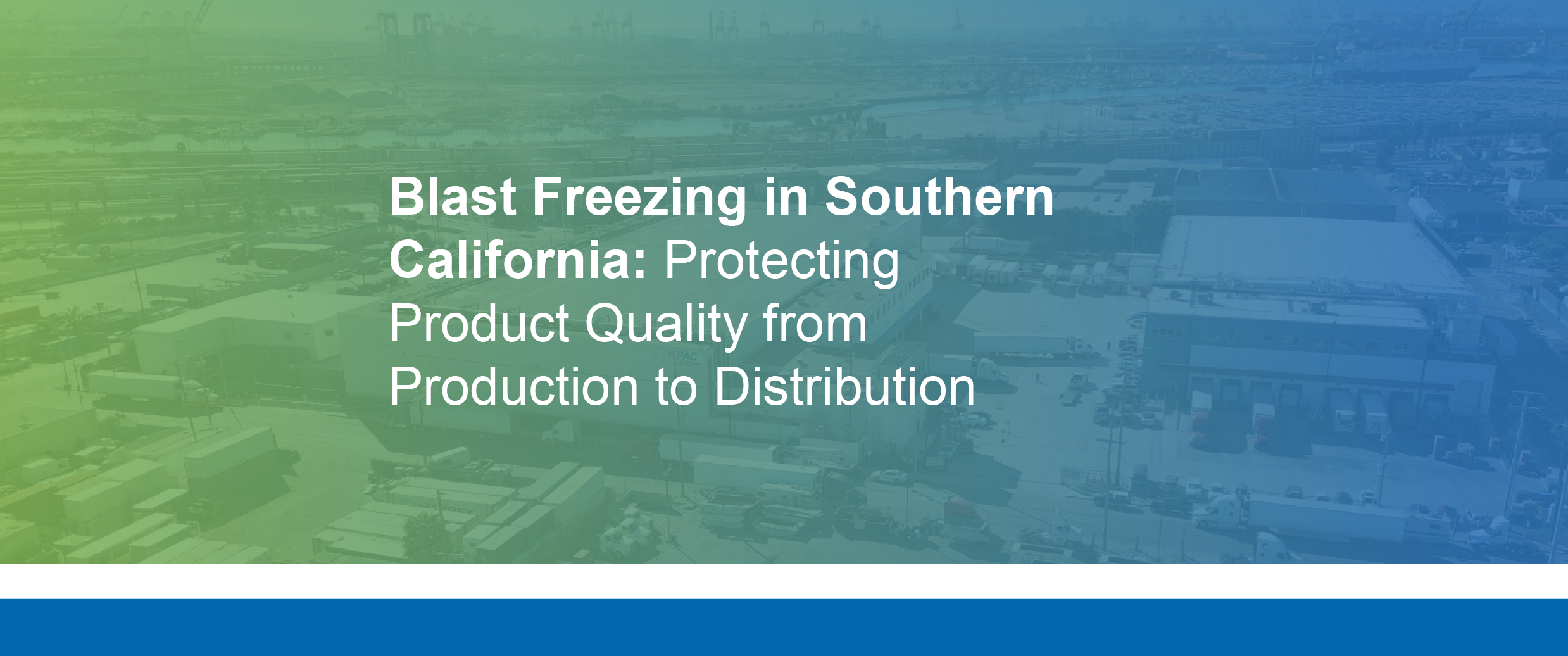
Learn how blast freezing helps food manufacturers, importers, and distributors preserve product quality, extend shelf life, and maintain cold chain integrity throughout Southern California.
Whether you’re moving refrigerated or frozen goods through the Port of Long Beach or distributing across Southern California, our team is ready to support your cold storage and cold-chain logistics needs.